By Camilla Wren Ashcourt · Publisher: Smart Nook Digital Reading Notebook
A quiet hotel pause can be a chance to understand an unfamiliar game screen. The useful first step is to open its help panel, rather than judge it by a lively result animation. An iGaming paytable explains particular rules and units. It does not make a demo outcome a forecast, and it does not replace the rules of a different game on a physical casino floor.
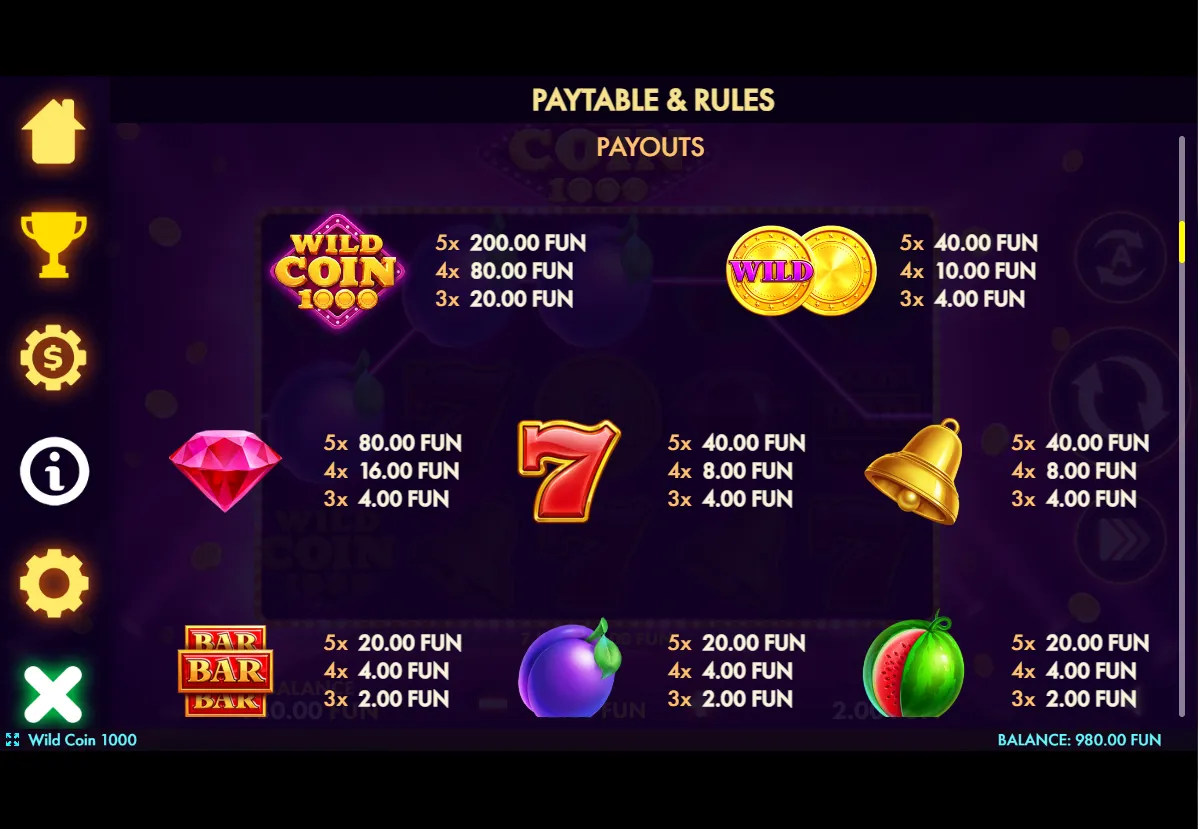
Begin with the unit
Find the name of the balance and the total cost of one action. A number may represent demonstration credits, a currency amount or another clearly labelled unit. Do not supply the meaning from memory. If the screen does not explain whether a figure is the total stake or a smaller component, leave the question open and read the relevant help entry before continuing.
In 2026, games may present familiar-looking controls in quite different ways. The version on screen matters more than a remembered screenshot. Check the game title inside the loaded window and then the stake setting beside it. A change in denomination or selected option can change the meaning of a number without making the animation look especially different.
A short reading sequence
- Locate the game title, balance unit and help control.
- Read how the total stake and displayed returns are defined.
- Check the active settings before considering another action.
This is a reading exercise, not a reason to open a real-money account. A demonstration can be useful for finding menus, but its virtual balance should not be treated as travel money. Keep any optional entertainment spending separate from accommodation, meals and the journey home. A hotel stay does not require an online gaming session.
Compare the whole round
Consider an invented arithmetic example using demo credits only. A balance starts at 1,000, an action costs 20 and the displayed return is 12. If that return is credited after the cost is deducted, the resulting balance is 992. The return is visible, but the balance has fallen by eight. Always check how the particular screen defines its result.
| Label | Example | Meaning to check |
|---|---|---|
| Starting balance | 1,000 credits | The amount before the action |
| Total stake | 20 credits | The complete cost deducted |
| Return | 12 credits | The amount credited back |
| Closing balance | 992 credits | The net change after both steps |
A single result says little about what will happen next. A short run of demo outcomes cannot establish a dependable pattern, and changing the stake does not repair a previous loss. The iGaming paytable is most useful as an explanation of the game you are viewing, with any quoted terms read in their stated context rather than turned into a promise.
If you make a note of the example, record the unit and active setting beside the figures. Numbers copied without those labels are hard to compare later. The purpose of the note is to explain what the screen showed, not to build a prediction from a handful of rounds.
Give feature words a closer look
Words such as bonus, wild and multiplier need the conditions beside them. Ask what activates the feature, which symbols count and what the multiplier applies to. A prominent name may describe only one part of the rules. If there are separate ordinary and feature modes, check which mode the displayed example belongs to before comparing amounts.
- Distinguish a symbol award from the complete round return.
- Check whether a setting changes the action’s total cost.
- Pause if labels, animations and balance changes do not agree.
Comfort helps careful reading. Enlarge the help text if needed, keep sound optional and avoid using a small screen while walking through a busy public space. The discussion of room light and seating offers a quieter context. For the wider evening, dinner and table-visit planning keeps play optional.
Author’s opinion
I would rather finish a short session understanding one label than spend a long one guessing at every return. An iGaming paytable earns its place when it clarifies the unit, the cost and the conditions. If that explanation remains unclear, closing the screen is a perfectly useful outcome for a leisure break.